

The Autism Dialogue Approach is an urgent intervention into how we think about difference, dialogue, and the very fabric of human interaction. ADA is not just a model; it is a disruptive force, exposing the limitations of traditional communication frameworks and offering a radically inclusive, deeply relational alternative.

At its heart, the Autism Dialogue Approach (ADA) is an action-based philosophy, rooted in inter-being, intersubjectivity, participatory sense-making, and dialogic praxis. ADA does not seek to ‘fix’ autistic (or any) communication but instead flips the script on the prevailing, abnormal, and what’s more relentless push for normalcy – which Joyce McDougall referred to as normopathy (fear of individuality). In the spirit of radical creativity, we directly question neurotypical ways of being, doing and living, and ask why dominant communication styles are assumed to be the gold standard.
The Autism Dialogue Approach Handbook, published by Routledge this April, is a call to action for educators, therapists, researchers, coaches, activists and advocates, who are serious about transforming not only their own awareness and practice, but the broader landscape of neurodiverse communication, thereby infecting clients and ultimately all populations with renewed curiosity, trust and growth.
How the Book Works: A Breakdown of Parts & Chapters
Rather than prescribing rigid techniques, this handbook embodies the Autism Dialogue Approach by inviting readers into an open-ended, evolving enquiry. The book is divided into three key sections:
PART I: What Are We Dealing With Here?
This section lays the philosophical and historical foundations of ADA, addressing the limitations of conventional autism discourse and exploring the deep roots of dialogue traditions.
- Chapter 1: What Brings Us Here? – A deeply personal introduction to the origins of Autism Dialogue and why this work matters.
- Chapter 2: Autism as a Way of Being – Reframing autism not as a condition but as a mode of existence, fundamentally shifting our approach to communication.
- Chapter 3: Dialogue in Historical Context – Tracing the lineage of dialogue from traditional and indigenous practices to contemporary relational philosophy.
- Chapter 4: Bringing Together Autism and Dialogue – The bridge between autism and the dialogic tradition, centering mindful awareness as a key practice.
PART II: Communities of Meaning-Making
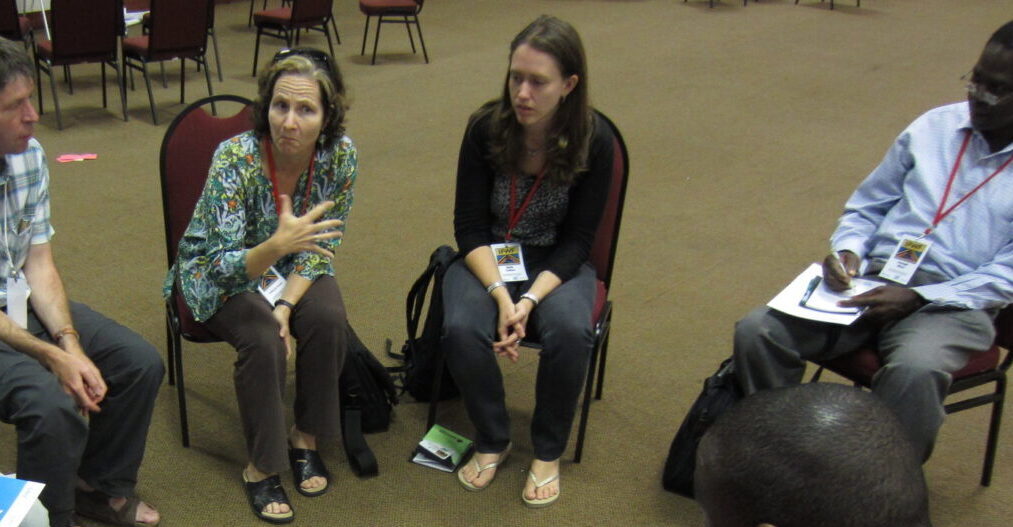
Here, we introduce the core practices of ADA and its application in group settings, laying out the framework for encouraging deep, neurodiverse-affirming dialogue.
- Chapter 5: Introduction to Dialogue in Autism Contexts – The key principles and aims of ADA, including its four core practices.
- Chapter 6: Autism Theories and Common Themes – Exploring major autism theories, from monotropism to double empathy, and why ADA is essential.
- Chapter 7: Autism and Dialogue Through the Lens of Social Sciences – Examining autism dialogue through the frameworks of systems thinking, participatory sense-making, and trauma.
- Chapter 8: Neurodiversity – A radical critique of neurodiversity discourse and the need for a more dynamic, relational approach.
- Chapter 9: Autism Dialogue and Mindfulness – How mindful presence and interoception enhance the dialogic process.
- Chapter 10: Guide to Hosting an Autism Dialogue – A practical guide to structuring and facilitating meaningful dialogue.
- Chapter 11: Autism Dialogue Facilitation Skills – Deepening facilitation through ethical considerations, participatory frameworks, and professional development.

PART III: Wider Contexts
This final section expands the enquiry beyond autism and into systemic, philosophical, and social applications of ADA.
- Chapter 12: Intersectionality and Dialogue – Examining power, privilege, and the need for intergroup dialogue.
- Chapter 13: Insight Dialogue and Other Models – Situating ADA within broader philosophical and pedagogical traditions.
- Chapter 14: Autism Dialogue in Therapy and Coaching – How ADA can transform therapeutic and coaching relationships.
- Chapter 15: Spirituality in Autism Dialogue – The connection between autistic experience, silence, and spiritual practice.
- Chapter 16: Resistance to Change – Addressing the societal resistance to neurodivergent leadership and the challenge of cultural transformation.
We conclude with real-world case studies in the appendices, illustrating how ADA has been implemented in diverse settings, from community groups to professional coaching.
Why You Should Read This Book
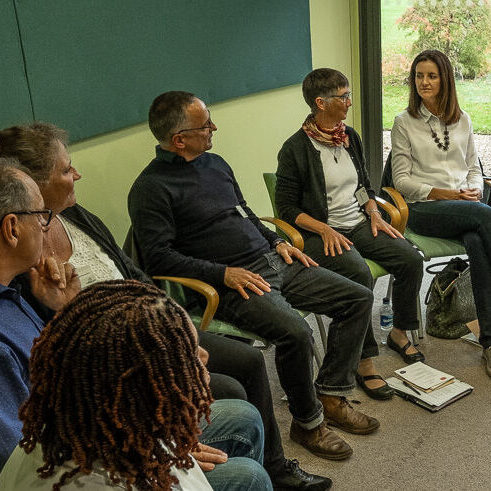
This book is essential reading for anyone committed to genuine communication, participatory learning, and inclusive societal change. If you are a researcher, therapist, educator, coach, activist, or social scientist, this is not just a handbook—it is an urgent intervention into how we think about difference, dialogue, and the very fabric of human interaction. ADA is not just a model; it is a disruptive force, exposing the limitations of traditional communication frameworks and offering a radically inclusive, deeply relational alternative.
This book does not ask how autistic people should communicate better—it asks how society must change to recognise and engage with the full depth of autistic experience. It is a direct challenge to normopathy, a rejection of transactional, productivity-driven conversation, and a call for deep presence, radical listening, and the co-creation of meaning. If you claim to care about sincere communication, about the ethics of human connection, and about the future of neurodiversity discourse, then you need to read this book.
It will transform the way you engage with others—and with yourself.
Jonathan Drury
No responses yet